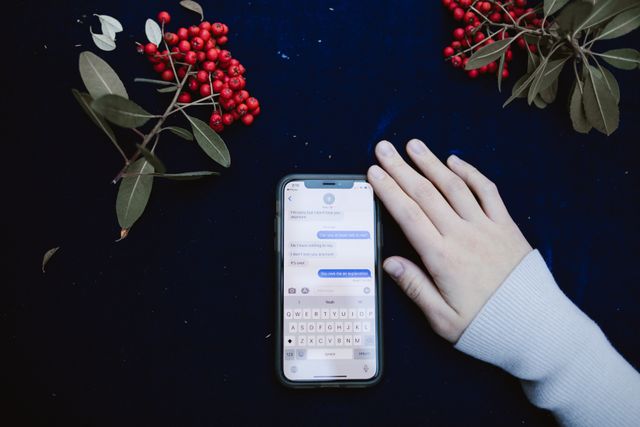
Mobile spray tanning businesses depend heavily on convenience, timing, and repeat customers. Clients often book treatments before vacations, weddings, photoshoots, parties, or other events, which means communication plays an important role in whether they schedule an appointment, remember it, and return later. Unlike businesses that rely mainly on walk-in traffic, mobile service providers need to stay connected with customers between appointments without becoming intrusive.
SMS marketing can help solve this challenge because text messages are direct, easy to read, and suitable for time-sensitive communication. A well-planned SMS strategy can remind clients about upcoming appointments, encourage them to rebook, promote open appointment times, and provide useful preparation or aftercare information. When used carefully, texting becomes more than a promotional channel. It can support the full customer experience from the first booking through future visits.
Why SMS Fits the Mobile Spray Tanning Business Model
Mobile spray tanning is built around convenience. Customers choose the service because they want professional treatment without traveling to a salon or spending unnecessary time waiting for an appointment. SMS communication supports that same expectation by giving clients quick access to reminders, updates, booking information, and availability.
Many appointments are also connected to specific dates. Someone may need a tan two days before a wedding, vacation, graduation, or professional event. Because timing matters, a missed email or forgotten booking can create a much bigger problem than it would for a less time-sensitive service.
Text messages allow businesses to communicate information at the moment it is most useful. A reminder sent the day before an appointment can prompt the customer to prepare properly. A message about an opening later in the week can help fill a cancelled slot. A rebooking reminder several weeks after a previous appointment can bring back someone who may otherwise have forgotten to schedule again.
The key is relevance. Clients should feel that messages are helping them manage their appointments rather than simply adding more advertising to their phones.
Turning Initial Interest Into Confirmed Bookings
People often show interest in a service without booking immediately. They may visit a website, ask about availability, compare appointment times, or inquire about how the tanning process works. If communication stops after that first interaction, some of those potential clients may never return.
SMS can reduce that gap between interest and booking. Once a person has voluntarily provided a phone number and agreed to receive messages, a business can send concise information that helps them move forward. This might include available time slots, booking instructions, answers to common preparation questions, or a reminder that an appointment request has not yet been completed.
The message should make the next step simple. Long promotional texts are usually less useful than short messages that answer a question or provide a clear action. For example, someone researching professional mobile spray tanning services may be more likely to schedule when they receive straightforward information about appointment availability and what to expect.
This also helps mobile service providers reduce back-and-forth communication. Instead of repeatedly exchanging messages about basic scheduling details, a structured SMS process can guide clients from inquiry to confirmation more efficiently.
Using Appointment Reminders to Reduce Missed Visits
A missed appointment affects more than a single booking. Mobile providers may already have planned travel time, prepared equipment, and arranged the rest of their schedule around that visit. Late cancellations can therefore create unused time that is difficult to fill.
Appointment reminders are one of the most practical uses of SMS marketing. A confirmation message can be sent when the booking is made, followed by another reminder closer to the appointment date. These messages can include the scheduled time, general preparation instructions, and a simple way to contact the provider if plans change.
Preparation reminders are particularly useful for spray tanning because the client’s actions before the appointment can affect the result. A short message reminding customers to complete recommended skin preparation ahead of time can improve the overall experience.
These reminders also make the service feel more organized. Clients know when the appointment is happening, how to prepare, and what to do if they need to make a change. Better communication can reduce confusion while helping the business protect valuable appointment time.
Filling Last-Minute Openings Without Heavy Discounting
Cancellations are difficult for appointment-based businesses because the empty slot represents time that cannot always be recovered. Mobile spray tanning services can use SMS to quickly notify interested clients about newly available appointments.
For example, if an evening slot becomes available, a short message can be sent to customers who have previously expressed interest in short-notice appointments. Because texts are often noticed quickly, the business has a better chance of filling the space before the appointment time passes.
This approach does not always need to involve a discount. Availability itself can be valuable, particularly during busy seasons when preferred appointment times are limited. Instead of training clients to wait for lower prices, businesses can focus on convenience and opportunity.
Segmenting the contact list can make these messages more effective. Clients who frequently book weekday evenings may receive different availability messages from those who normally schedule weekend appointments. More relevant messages are less likely to feel like mass promotions and more likely to generate bookings.
Encouraging Clients to Schedule Their Next Visit
Many spray tanning customers are not one-time users. Some book regularly throughout the year, while others return around vacations, celebrations, work events, or seasonal activities. Even satisfied customers can forget to schedule another appointment if the business does not remain visible.
A simple follow-up message after the service can keep the relationship active. The business might thank the client, provide basic aftercare reminders, and later send a gentle rebooking message based on the typical interval between visits.
Timing matters here. Sending constant messages can become irritating, while waiting too long may allow the customer to book elsewhere. Businesses should develop a reasonable communication schedule based on how often their clients normally use the service.
Rebooking messages work best when they feel useful rather than urgent. Instead of pressuring someone to make another purchase, the message can simply remind the client that appointments are available and provide an easy way to schedule.
Over time, this reduces the amount of effort required to bring previous customers back. The business is not starting from zero with every appointment because it maintains an active connection with people who already know the service.
Improving the Client Experience Before and After the Appointment
SMS marketing should not be limited to promotions. Some of the most valuable messages are informational. Helping customers prepare properly and care for their results afterward can improve satisfaction and reduce avoidable problems.
Before an appointment, clients may need reminders about exfoliation, skincare products, clothing choices, or other preparation steps. Instead of expecting customers to remember instructions they received days earlier, the business can send a short reminder at the appropriate time.
After the appointment, another message can provide general aftercare guidance. Clients may need to know how long to wait before certain activities or how to maintain their results. Clear communication can reduce uncertainty and prevent customers from searching for conflicting advice elsewhere.
This educational approach can also establish trust. The business becomes a source of useful information rather than simply a company asking customers to book another appointment.
When clients understand how to prepare and maintain their tan, they may also be more satisfied with the outcome, increasing the likelihood that they will return and recommend the service to others.
Building More Relevant SMS Campaigns Through Segmentation
Not every client should receive every message. A person who books only before vacations has different needs from someone who schedules appointments regularly. Sending the same promotion to everyone can make communication feel impersonal.
Basic segmentation allows businesses to organize clients according to booking history, appointment frequency, preferred times, or service interests. Messages can then be sent only when they are likely to be relevant.
Regular customers may respond well to reminders based on their normal booking cycle. Occasional clients might benefit from messages around common event periods. Clients who prefer last-minute availability can receive cancellation alerts, while people who schedule well in advance may appreciate early booking notices.
Segmentation also helps control message frequency. Instead of sending more texts, businesses can send fewer messages to smaller, more appropriate groups. This keeps communication useful while reducing the risk of customers ignoring future messages.
Keeping SMS Marketing Helpful Rather Than Intrusive
Text messaging is a personal communication channel, so businesses should use it carefully. Customers should know what types of messages they are agreeing to receive, and they should have a simple way to stop receiving promotional communication.
Frequency is equally important. Sending multiple promotional messages every week may create frustration, especially when the information is not relevant. A smaller number of useful messages can often perform better because customers learn that texts from the business usually contain something worth reading.
Messages should also be concise. Clients do not need a long explanation in every text. The goal is to communicate the essential information and provide the next step when necessary.
Tone matters as well. Natural language generally works better than exaggerated promotional wording. Mobile spray tanning is a personal service, and communication should reflect the comfortable, convenient experience that clients expect from the appointment itself.
Turning SMS Into a Long-Term Retention Tool
The greatest benefit of SMS marketing may come from how it connects multiple stages of the customer journey. A single client might receive an appointment confirmation, preparation reminder, aftercare message, and future rebooking reminder over several weeks. Each message serves a different purpose while keeping communication consistent.
This creates a stronger system for customer retention. Instead of relying on clients to remember when they need another appointment, the business can stay present through occasional, relevant communication.
SMS can also complement other marketing methods. Social media may introduce the service to new customers, while a website can provide detailed information. Text messaging is particularly useful once someone has already shown interest or completed a booking because it supports direct communication with that individual.
For mobile service providers, this can result in fewer missed appointments, better-filled schedules, and stronger relationships with returning customers.
Final Thoughts
Mobile spray tanning businesses depend on more than attracting new customers. Long-term growth also comes from making booking easy, keeping appointments organized, and giving satisfied clients a reason to return.
SMS marketing can support each of these goals when messages are timely and relevant. Booking confirmations can reduce confusion, reminders can help prevent missed appointments, availability alerts can fill gaps in the schedule, and follow-up messages can encourage repeat visits. Educational texts can also improve preparation and aftercare, creating a smoother overall customer experience.
The most effective approach is not to send as many texts as possible. It is to send the right message when the customer is most likely to need it. When SMS is treated as part of the service experience rather than simply another advertising channel, it can become a practical tool for increasing bookings and building long-term customer relationships.
Leave a Reply