
Getting someone to book their first float is only one part of building a successful wellness business. The next challenge is staying connected after that initial visit. A client may enjoy the experience and fully intend to return, yet weeks can pass before they think about booking again. Without a simple follow-up system, a promising first visit can easily become a one-time interaction.
SMS marketing can help close that gap. Because text messages are suited to short, timely communication, wellness businesses can use them for appointment confirmations, preparation reminders, post-visit follow-ups, rebooking prompts, and relevant updates. For businesses offering professional float therapy services, the strongest SMS strategy is not based on sending frequent promotions. It is about making communication useful throughout the client relationship.
Why the Period After the First Float Matters
First-time float clients often require more information than returning visitors. Before the appointment, they may wonder what the experience will feel like, how they should prepare, what they should bring, or what will happen when they arrive.
Afterward, the questions may change. Some clients may wonder whether their experience was typical or when they might want to schedule another session. Others simply return to their regular routine and forget about floating until something reminds them.
This period gives wellness businesses an opportunity to provide helpful communication without immediately turning the conversation into a sales pitch. A simple thank-you message, for example, acknowledges the visit and keeps the business accessible if the client has a question.
Good follow-up also shows that the relationship is not treated as complete the moment the appointment ends. That can help create a more thoughtful overall client experience.
Starting SMS Communication Before the Appointment
Client engagement can begin as soon as an appointment is booked. Confirmation messages are one of the most practical forms of SMS because they immediately reassure customers that their reservation has been recorded.
A confirmation can include the appointment date and time along with any essential arrival information. The message does not need to explain the entire float experience. Detailed information can remain on the website or in other supporting communication.
A second reminder closer to the appointment can focus on preparation. This is particularly helpful for first-time visitors who may have received instructions when booking but forgotten some of them by the day of their session.
Timing matters. Sending every instruction immediately after booking can overwhelm someone who scheduled weeks in advance. Providing information when it becomes relevant makes it easier to use.
This approach turns SMS into part of the service rather than simply a marketing channel.
Using the First Visit to Establish Communication Preferences
Not every client wants the same level of communication. Some appreciate reminders and occasional wellness updates, while others want messages limited to essential appointment information.
Businesses should respect these differences from the beginning.
Clients should understand what types of text messages they are agreeing to receive, particularly when communication moves beyond transactional appointment updates into marketing. Consent and a straightforward way to opt out should be built into the process.
Businesses can also learn from customer behavior over time. A client who regularly responds to rebooking reminders may find them useful. Someone who ignores repeated promotional messages probably should not receive more of the same.
The objective should be relevance rather than volume. A smaller number of useful messages can maintain engagement more effectively than constant communication that eventually gets ignored.
Following Up After the First Float
The first post-visit message should not immediately push another appointment. Clients have just completed the experience and may need time to decide how they feel about it.
A brief thank-you message can provide a more natural transition. It can also direct the client toward general post-session information or offer an easy way to ask questions.
Follow-up communication can be especially useful for first-time visitors because floating is unfamiliar to many people. Clear information helps prevent customers from relying on conflicting advice they may encounter elsewhere.
The tone should remain simple. Overstating wellness benefits or making broad claims about what the client should feel after a session can undermine trust. People’s experiences differ, and communication should leave room for that.
A useful follow-up reinforces professionalism without trying to define the customer’s experience for them.
Finding the Right Moment for a Rebooking Reminder
One of the biggest advantages of SMS is timing. A message can reach a customer when an action is relevant rather than relying on them to remember the business independently.
That makes SMS useful for rebooking.
There is no need to ask a customer to schedule another session immediately after leaving. Instead, businesses can determine a reasonable follow-up interval based on their normal client patterns and the individual’s previous behavior.
Returning customers can eventually receive more personalized reminders. If someone tends to schedule at similar intervals, communication can reflect that pattern rather than following a generic promotional calendar.
The wording matters as much as the timing. A rebooking message can simply let the customer know that appointments are available and provide an easy next step.
Creating artificial urgency may generate occasional bookings, but useful reminders are more likely to support a sustainable relationship.
Making Rebooking Almost Effortless
A successful text message can still fail if the next step is inconvenient.
If a client receives a reminder and decides to book, they should not have to search for the business website, navigate several pages, and then figure out where appointments are scheduled.
SMS works best when it shortens that journey.
Messages can direct customers toward the appropriate booking process or clearly explain how to schedule. When possible, clients should be able to move from the reminder to available appointments with minimal effort.
This matters because rebooking is often a low-priority task. Someone may intend to schedule later but become distracted and forget. Every unnecessary step increases the chance that the booking will be postponed.
Convenience should also extend to changes. Clients should know what to do if they need to reschedule or cancel rather than feeling trapped by an automated booking process.
Using SMS to Reduce Missed Appointments
No-shows and late cancellations create unused capacity that can be difficult for wellness businesses to recover. SMS reminders can help reduce this problem.
A reminder sent before the session gives clients an opportunity to confirm that the appointment still fits their schedule. If plans have changed, they have time to reschedule rather than simply missing the visit.
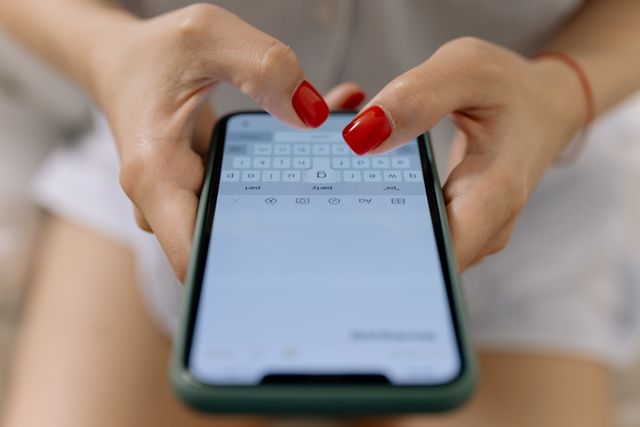
The message can include the appointment time and any important arrival instructions. For first-time customers, it may also link to preparation guidance.
Businesses should avoid overdoing reminders. Several messages about the same appointment can become irritating. The number and timing should reflect how far in advance people typically book and how much preparation the service requires.
A good reminder serves both sides: customers are less likely to forget, and the business has a better chance of maintaining a predictable schedule.
Filling Unexpected Openings With Relevant Messages
Cancellations sometimes create appointment openings with little notice. Instead of leaving that capacity unused, businesses can use SMS selectively to reach customers interested in short-notice sessions.
This works best when the audience has been segmented appropriately.
A regular client who lives or works nearby may be more interested in an opening later that afternoon than someone who has visited once and normally books weeks ahead. Sending availability notices to everyone can quickly make messages feel like spam.
Businesses can allow customers to indicate whether they are interested in last-minute openings. That creates a smaller group for whom these messages provide genuine value.
Discounts are not always necessary. For some clients, convenient availability is enough reason to book.
Using SMS this way helps the business respond to schedule changes while giving interested customers access to appointments they may otherwise have missed.
Keeping Messages Useful Between Visits
Client engagement does not have to consist entirely of booking requests. Occasional educational communication can keep the relationship active without making every interaction transactional.
A wellness business might share simple preparation reminders, information for first-time clients, seasonal scheduling notices, or practical updates about appointments and facility hours.
The important word is occasional.
Customers did not provide their phone numbers to receive a constant stream of general wellness advice. Text messages occupy a more personal communication space than many other marketing channels, so businesses should be selective about what deserves to be sent there.
Longer educational content can live elsewhere. SMS can provide the short introduction and allow interested clients to explore further.
When customers learn that messages are usually relevant, they have less reason to ignore them.
Personalizing Communication Without Becoming Intrusive
Personalization can make SMS more effective, but there is a difference between relevance and unnecessary familiarity.
Useful personalization might reflect whether someone is a first-time or returning client, when they last visited, or how they typically schedule appointments. These details directly improve the usefulness of communication.
For example, a new customer may need preparation information, while someone who has floated many times probably does not need the same introductory guidance before every session.
Similarly, regular customers may appreciate reminders that fit their usual booking patterns.
Businesses do not need to collect excessive personal information to achieve this. Appointment history and communication preferences can provide enough context for many useful interactions.
The best personalization often goes unnoticed. The customer simply receives information that makes sense for where they are in their relationship with the business.
Measuring SMS by More Than Message Opens
Sending texts is easy. Determining whether they contribute to customer retention requires more attention.
Wellness businesses can track practical outcomes such as how many rebooking messages lead to appointments, whether reminders reduce missed visits, and how frequently first-time clients return after receiving follow-up communication.
These measures are more meaningful than simply knowing that a message was delivered.
Businesses can also compare different timing approaches. If clients rarely respond to a reminder sent shortly after their first float but respond more often later, the communication schedule can be adjusted.
Opt-out behavior deserves attention as well. A noticeable increase in unsubscribes may indicate that messages are too frequent or insufficiently relevant.
SMS marketing should improve over time based on how customers actually respond rather than remaining a fixed sequence indefinitely.
Using SMS to Support Relationships, Not Replace Them
Float therapy is a personal, in-person wellness experience. Automated messages should make that experience easier to manage, not make the business feel automated from beginning to end.
SMS is particularly effective at handling predictable communication: confirmations, reminders, preparation information, follow-ups, and rebooking prompts. Staff can then devote more attention to questions or situations that require a human response.
Customers should also have an obvious route to personal assistance when needed. Automation becomes frustrating when someone has a specific concern but cannot reach a person.
The strongest approach combines efficiency with accessibility. Routine communication can happen automatically while genuine conversations remain human.
From a First Appointment to a Lasting Client Relationship
Turning first-time float clients into returning customers is not about sending more promotions. It is about maintaining a useful connection after the initial appointment.
SMS can support that relationship at several important moments. Confirmations and preparation reminders make the first visit easier. Thoughtful follow-ups continue the experience after the appointment. Well-timed rebooking prompts help satisfied clients remember to return, while appointment reminders and short-notice availability messages can make scheduling more convenient.
The common thread is relevance.
When every text has a clear purpose, SMS feels less like advertising and more like part of an organized customer experience. For wellness businesses, that distinction matters. The goal is not simply to keep the business visible on a client’s phone. It is to make each step—from first float to future visits—easier for the customer to manage.
Leave a Reply