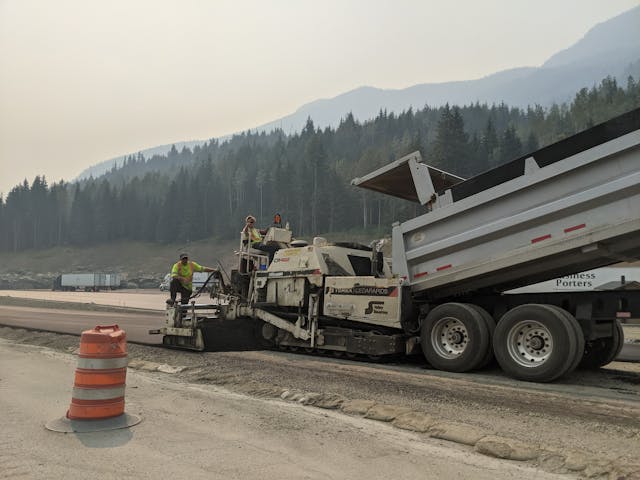
For asphalt paving and maintenance companies, speed matters. The company that responds first often gets remembered first, and in many cases, gets hired first. That is especially true when property owners, facility managers, retail operators, homeowners, or commercial clients are trying to solve a problem quickly. They may need a pothole repaired, a lot restriped, a surface evaluated, or a maintenance job scheduled before a bigger issue develops. In those moments, slow communication can cost real business.
That is why SMS marketing has become such a practical tool for service-based companies. For asphalt businesses, it is not really about trendy marketing. It is about making communication faster, easier, and more likely to lead to booked work. Phone calls still matter, email still has a role, and websites are still important, but text messaging fills the gap between interest and action. It helps companies respond quickly, stay visible, follow up without too much friction, and move customers toward a decision.
The real strength of SMS marketing in this space is that it matches the way many people already communicate. A short, direct text feels easier to read and respond to than a long email. It feels less disruptive than a call. And when used correctly, it helps asphalt paving and maintenance companies create a smoother path from first inquiry to scheduled job to post-service follow-up.
Why SMS works so well for asphalt paving and maintenance companies
Asphalt paving and maintenance is a time-sensitive business in more ways than one. Customers often reach out when they have a visible issue, a deadline, a complaint, or a budget cycle they are trying to meet. Commercial property owners may need quick scheduling around tenant traffic. Retail locations may want work completed with minimal disruption. Residential customers may want to compare options quickly and move forward. In all of these cases, waiting too long to reply creates risk.
SMS works well because it reduces that delay. It allows companies to acknowledge inquiries fast, confirm that the message was received, and move the conversation forward without forcing the customer into a long back-and-forth. It also gives the business a better chance of staying top of mind. A text message is often seen much faster than an email, and it feels more immediate.
Another reason SMS works in this industry is that the service itself is highly operational. Customers want updates. They want confirmation. They want reminders. They want to know when someone is coming, whether a quote was sent, whether a follow-up is needed, or whether weather has changed the plan. Text messaging supports all of that. It can help the company look responsive and organized even before the work begins.
Faster response time can create a real booking advantage
One of the biggest mistakes service companies make is treating lead response like an office task instead of a sales opportunity. A person who reaches out for paving or maintenance work is not always casually browsing. Many are actively looking for someone who can help soon. If that first response takes too long, the customer may already be talking to someone else.
SMS gives asphalt companies a way to bridge that early stage more efficiently. Instead of letting a web form sit for hours or relying only on voicemail callbacks, a business can send a quick message that confirms receipt and starts the conversation. That simple step can make the customer feel seen. It can also buy time while the team gathers more details or prepares the next step.
The point is not to send robotic messages with no personality. The point is to remove the silence that often kills momentum. A fast text can say that the company is responsive, professional, and ready to help. In industries where many competitors still rely on delayed callbacks or inconsistent follow-up, that alone can create separation.
Speed also shapes trust. When a paving company responds quickly, customers often assume the company is better organized overall. They begin to expect that scheduling, communication, and service delivery will also be handled well. That first impression matters more than many businesses realize.
SMS can make estimates and scheduling feel easier
Many paving and maintenance jobs do not close on the first interaction. There is usually a process. A customer asks for information, shares a property issue, requests an estimate, waits for scheduling options, or needs approval from someone else before moving forward. Every extra step creates a chance for delay or drop-off. SMS can help reduce that friction.
Text messaging is useful because it keeps small but important actions moving. A company can use it to confirm an appointment window, remind a lead to send photos, let the customer know an estimate is on the way, or check whether they had a chance to review the proposal. These moments may seem minor, but they often determine whether a lead stays active or goes cold.
For asphalt businesses, that matters because many jobs compete against timing, attention, and decision fatigue. A commercial client may mean to respond but forget. A property manager may open an email and plan to reply later. A homeowner may still be interested but not take the next step without a reminder. A well-timed text helps keep the process moving without creating unnecessary pressure.
This is where SMS supports booking faster. It shortens dead space between stages. It helps the company maintain momentum. And it makes the customer experience feel easier, which is often enough to increase response rates and improve close rates over time.
Follow-up gets better when it feels natural instead of forced
A lot of companies understand that follow-up matters, but they still do it poorly. Some never follow up at all. Others wait too long. Some send generic emails that are easy to ignore. Others call too often and create pressure instead of confidence. SMS works best because it allows follow-up to feel simple, direct, and low-friction.
For an asphalt paving or maintenance company, follow-up should not feel like begging for work. It should feel like helpful communication. A text can check whether the customer had any questions after receiving a quote. It can remind them about scheduling availability. It can follow up after a weather delay. It can confirm that they are still planning to move ahead. These are all normal business touchpoints, but text makes them feel more conversational and timely.
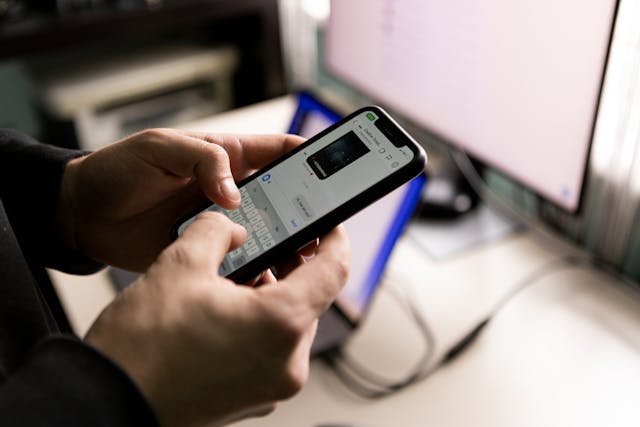
This matters because customers do not always ignore follow-up due to lack of interest. Sometimes they are busy. Sometimes they are waiting on internal approval. Sometimes they do not want a call in the middle of the day but are perfectly willing to reply to a text when convenient. SMS respects that behavior.
Better follow-up also means better use of existing leads. Many businesses spend time and money generating inquiries but lose value because they do not stay in touch effectively. SMS helps protect that effort. It gives the company another way to reconnect before the opportunity fades.
SMS helps asphalt companies look more organized and professional
Professionalism in paving is not only about the finished surface. It is also about how the company communicates before, during, and after the job. Customers notice whether the team is clear, timely, and easy to work with. They notice whether updates are shared. They notice whether appointments are confirmed. They notice whether someone follows through after promising to send something.
SMS supports a more polished customer experience because it adds structure to communication. It helps reduce missed touchpoints. It gives the business a way to deliver reminders and updates that customers are likely to see. When used consistently, it can make even a busy operation feel more coordinated.
This is especially helpful in asphalt work because there are often moving parts. Weather can affect scheduling. Site conditions can change timing. Customers may need to prepare the area or adjust access. Jobs may require coordination with tenants, staff, or property users. Text messaging gives the company a fast, clear way to manage those moments without dragging everything into long email threads or missed calls.
That sense of professionalism can influence repeat business too. A client may be happy with the physical work, but they are even more likely to return if the process felt smooth from start to finish. In service businesses, communication quality often becomes part of the service itself.
Where SMS fits across the customer journey
SMS is most effective when it supports the entire customer journey rather than being treated as a one-off tactic. At the beginning, it helps with speed to lead. Once a prospect reaches out, a quick text can acknowledge the inquiry and guide the next step. During the quoting stage, it can help keep the estimate process active and prevent delays from turning into silence.
As the job gets closer, SMS becomes useful for appointment reminders, scheduling coordination, and preparation details. On the service day, it can help with arrival updates or quick confirmations. After the work is done, it can be used for follow-up, review requests, maintenance reminders, or future check-ins.
This full-journey approach is important because customers do not experience the business in isolated moments. They experience it as one connected process. If the company is responsive at first but disappears later, that creates frustration. If the company does good work but never follows up, that weakens long-term value. SMS helps connect the stages in a more seamless way.
For paving and maintenance companies, that can create stronger customer relationships without requiring complicated communication systems. The goal is not to over-message people. The goal is to stay present at the points where communication has the highest value.
The best SMS marketing feels useful, not intrusive
The biggest concern many companies have about text messaging is whether customers will find it annoying. That concern is fair, but the problem usually comes from bad execution, not from the channel itself. When messages are irrelevant, too frequent, too generic, or clearly self-serving, they feel intrusive. When they are timely and useful, they feel helpful.
That distinction matters. Asphalt paving and maintenance companies should use SMS to solve communication problems, not create new ones. The strongest messages are usually short, specific, and tied to a clear reason. They help the customer know what is happening, what to do next, or how to respond easily.
Tone matters too. Text messages should sound human, direct, and professional. They should not feel overly promotional in situations where the customer expects service communication. This is one reason SMS works so well for follow-up and booking support in this industry. The channel fits practical communication better than flashy marketing language.
Used well, SMS does not replace relationships. It strengthens them by making communication easier. It reduces waiting. It improves clarity. It helps the business appear more attentive without adding unnecessary friction.
Better communication often leads to better business outcomes
Asphalt paving and maintenance companies do not need marketing tactics just for the sake of marketing. They need systems that help them win more work, follow up more consistently, and create a better experience for customers. SMS marketing fits that need because it is practical. It supports faster responses, smoother scheduling, stronger follow-up, and clearer communication across the life of the job.
In a competitive market, these advantages matter. Customers want quick answers. They want updates they can actually see. They want it to be easy to move forward. They want to work with companies that seem organized and dependable. Text messaging helps communicate all of that in a format people already use every day.
The companies that benefit most from SMS are usually not the ones trying to sound clever. They are the ones using it to remove delays, reduce confusion, and keep the customer relationship active. For asphalt paving and maintenance businesses, that can mean faster bookings in the short term and better repeat opportunities in the long term.
When the work is physical and the schedule is always moving, communication becomes a competitive edge. SMS gives companies a simple way to use that edge more effectively.
Leave a Reply