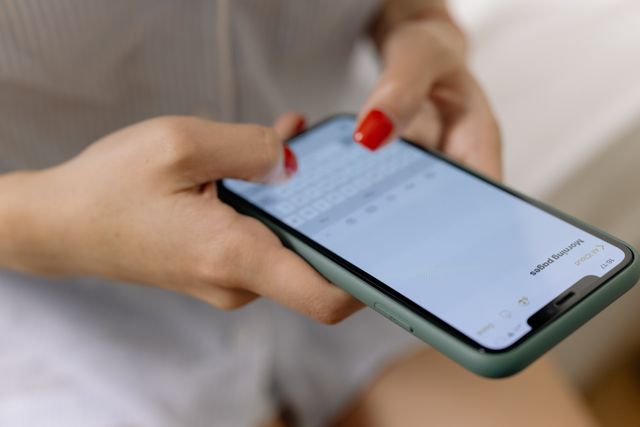
People seeking legal help after an injury are often dealing with more than a legal problem. Medical appointments, time away from work, insurance correspondence, transportation issues, bills, and recovery can all compete for their attention. Having to repeatedly call a law office for routine information can add another task to an already difficult period.
Text messaging can make certain parts of legal communication more accessible. It can confirm appointments, remind clients about requested information, notify them when the firm needs a response, and provide short case-related updates where appropriate. For firms providing injury-related legal services, SMS is most useful when it reduces uncertainty without trying to replace the detailed, confidential conversations that legal representation requires.
Start With Clear Communication Preferences
Not every client wants to communicate in the same way.
Some people prefer phone calls, while others find text easier because they can read and respond when their schedule allows. Email may remain preferable for documents or longer explanations.
Law firms can establish communication preferences early in the relationship.
Clients should understand which types of information may be sent by text and when another channel will be used. Firms also need appropriate consent and should consider professional obligations, confidentiality, security, recordkeeping, and applicable communication rules before using SMS.
Setting expectations early prevents confusion later.
Texting should be presented as one communication option within the attorney-client relationship, not as a replacement for every other method.
Make Initial Appointment Coordination Easier
The period between a prospective client’s first inquiry and the initial consultation can involve several administrative steps.
A text can confirm that an appointment has been scheduled and provide the date, time, location, or connection instructions. A reminder closer to the consultation may help reduce missed appointments.
This is particularly useful when someone is managing medical care or changes to their normal routine after an injury.
Messages should remain concise. Sensitive details about the incident generally do not need to appear in an appointment reminder.
If information must be provided before the consultation, the text can tell the client what is needed and direct them toward an appropriate method for submitting it.
This approach keeps SMS focused on coordination while more sensitive communication remains in channels suited to the information involved.
Use Text Messages to Request Routine Information
Injury-related legal matters can involve substantial documentation.
Clients may need to provide records, photographs, bills, insurance correspondence, employment information, or other materials relevant to the matter. Waiting until the next phone call to mention missing information can slow the process.
A short text can alert the client that something is needed.
Rather than requesting sensitive details directly in an ordinary text thread, the message can direct the client to the firm’s approved process for submitting documents or information.
This distinction is important.
The convenience of SMS comes from reaching the client quickly, not from turning text messages into an unrestricted repository for confidential case materials.
Used carefully, reminders can reduce repeated calls while helping clients understand what action is expected from them.
Keep Clients Informed During Quiet Periods
One of the most difficult parts of a legal matter for clients can be waiting.
There may be periods when meaningful work is taking place but there is little visible activity from the client’s point of view. Without communication, a client may begin wondering whether anything is happening.
Not every update requires a lengthy phone call.
Where appropriate, a short message can acknowledge that the matter remains active and tell the client whether any action is currently required from them.
The firm should avoid sending updates that imply progress when there is nothing meaningful to report.
Instead, communication can be factual. If the firm is waiting for records, a response, or another development that can appropriately be disclosed, the client can be told that.
Small amounts of visibility can make long processes easier to understand.
Let SMS Signal When a Conversation Is Needed
Some legal developments cannot be explained responsibly in a few lines of text.
A settlement-related issue, significant case development, strategic decision, or complicated question may require a proper conversation between the lawyer and client.
SMS can still play a useful role.
Instead of attempting to explain the issue in a text thread, the firm can send a message asking the client to schedule or return a call.
This uses the speed of texting without sacrificing the quality of the legal discussion.
It also reduces the risk of important information being misunderstood because someone read a short message without the surrounding explanation.
A useful rule is to treat SMS as a bridge to substantive communication when the subject becomes too complex, sensitive, or important for a brief message.
Appointment Reminders Can Support Case Participation
Injury-related matters may involve more than meetings with the attorney.
Depending on the circumstances, clients can have important dates, requested actions, or other case-related obligations that they need to remember.
Appropriate reminders can help clients stay organized.

A message can identify the date and tell the client whether preparation is required. Where detailed instructions are necessary, the text can direct them to the appropriate information rather than attempting to compress everything into one message.
Firms should also avoid assuming that automated reminders remove the need for direct communication about important obligations.
A reminder is a supporting tool.
The attorney and legal team remain responsible for communicating significant requirements clearly and through methods appropriate to the situation.
Two-Way Texting Can Reduce Phone Tag
Phone calls remain important in legal services, but they do not always connect on the first attempt.
A client may be at work, in a medical appointment, driving, or otherwise unavailable when the firm calls. The legal team may then receive a return call while the relevant staff member is unavailable.
Text messaging can reduce some of this phone tag.
A short message might ask when the client is available for a call or confirm that the office is trying to reach them regarding the matter.
Clients can respond when convenient without needing to begin a detailed discussion immediately.
This can make communication more efficient for both sides.
However, firms should establish clear expectations about response times. Texting can feel immediate, but clients should not assume that every message is monitored continuously or that SMS is an appropriate channel for urgent situations.
Be Careful With Sensitive Information
Convenience should never cause a law firm to become careless about confidentiality.
Text messages may appear on lock screens, shared devices, synchronized computers, or other places the client did not consider when choosing a communication method.
That makes message content important.
Firms can keep routine texts limited to the information necessary for the communication. Sensitive medical, financial, strategic, or case-specific details may require another method depending on the circumstances and the firm’s security practices.
Client identity should also be handled carefully.
Before discussing a matter through a new number or communication channel, the firm needs appropriate procedures for confirming that it is communicating with the correct person.
The exact approach will depend on the firm’s systems, jurisdiction, and professional obligations, but the principle remains consistent: ease of use does not override confidentiality.
Create a Record of Important Communications
Legal work depends heavily on accurate records.
If texting becomes part of client communication, messages should not exist as an isolated stream that disappears from the firm’s broader case-management process.
Relevant communications may need to be retained according to firm policies, legal requirements, and professional obligations.
This is another reason to establish boundaries around SMS.
Routine scheduling and status communication can be easier to manage than conducting substantial legal discussions across long text threads.
A structured approach also helps different members of the legal team understand what has already been communicated.
Clients benefit because they are less likely to receive contradictory requests or be asked repeatedly for information they have already provided.
Use Automation Without Making Communication Feel Mechanical
Certain text messages can be automated effectively.
Appointment confirmations, reminders, and notifications that a requested document is still outstanding are examples of communications that may follow predictable patterns.
Automation can reduce administrative workload, but legal clients should still be able to reach a person when necessary.
A system that repeatedly sends generic responses while making human assistance difficult can undermine the relationship.
Messages should also be reviewed for tone.
Someone dealing with an injury may be experiencing financial or personal stress. Communication should remain professional and considerate rather than sounding like a retail promotion or collection notice.
Automation is most useful when it handles predictable administrative tasks and gives staff more time for conversations requiring attention and judgment.
SMS Can Help With Post-Matter Communication
The end of a legal matter also requires clear communication.
Clients may need to understand whether there are remaining administrative steps, what documents they should retain, or whom to contact if they have a future question connected to the matter.
Where appropriate, SMS can support this closing stage.
A message can notify the client that important information has been sent through another channel or remind them about a final administrative action.
Firms should avoid turning the conclusion of representation into an immediate sequence of promotional texts.
Any later marketing communication should be handled separately and in accordance with applicable consent, advertising, and professional rules.
Closing a matter properly is part of the service relationship itself.
Feedback Requests Should Respect the Nature of Legal Services
Client feedback can help legal practices identify communication problems and understand how people experience their services.
Text messaging can make a feedback request easier to access, but timing and wording matter.
A neutral request after the appropriate conclusion of the relationship can invite clients to describe their genuine experience. Firms should avoid language that pressures clients toward a positive rating or makes the request seem tied to the legal outcome.
Confidentiality also remains relevant in public review spaces.
A client may choose to reveal details about their own matter, but the firm’s public response should still follow its professional obligations and avoid disclosing information simply because the client mentioned it first.
Feedback should be treated as a way to improve the client experience, not merely as a reputation-building exercise.
Better Communication Can Reduce Client Uncertainty
The greatest benefit of SMS in injury-related legal services is not the ability to send more messages. It is the ability to make selected communications easier to receive and act upon.
Appointment confirmations can reduce confusion. Document reminders can keep administrative tasks moving. Short status messages can reassure clients during periods when there is little visible activity, while two-way texting can make it easier to arrange important conversations.
The boundaries matter just as much as the convenience.
Detailed legal advice, sensitive information, strategic decisions, and complex case developments often require more appropriate communication than a brief text. Firms also need to consider confidentiality, consent, recordkeeping, security, and the professional rules that apply in their jurisdiction.
Used with those limits in mind, SMS can complement rather than replace the attorney-client relationship. It handles routine communication quickly so lawyers and staff can devote more attention to the conversations where explanation, judgment, and personal attention matter most.
Leave a Reply